Berkley torsion springs often lose torque in predictable patterns once you know the signs
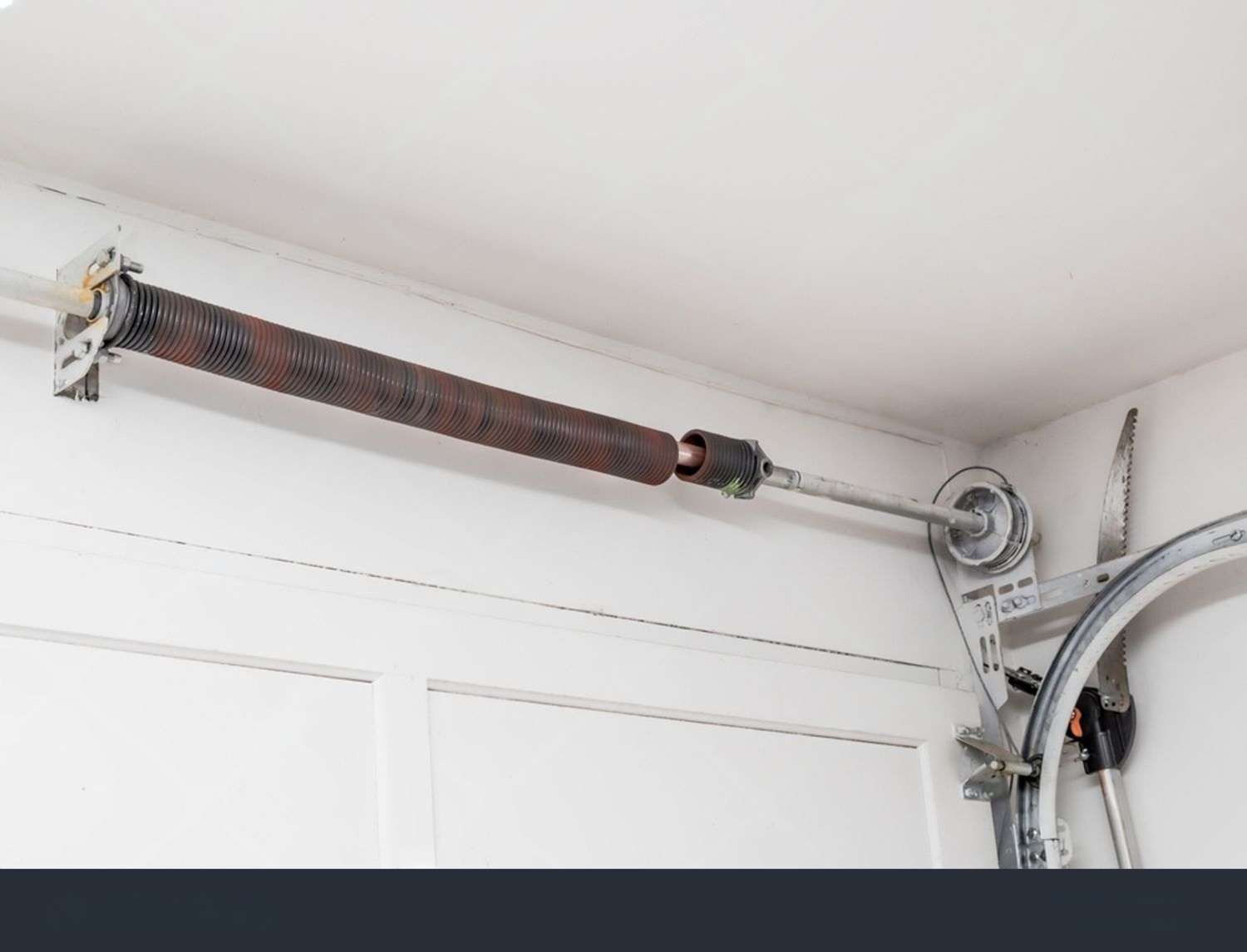
Springs do not fail randomly. They follow predictable degradation patterns that you can learn to recognize. Understanding these patterns helps you anticipate problems before they cause complete failure. Torque loss happens gradually, and the symptoms appear in a specific sequence that tells a story about what is happening inside the spring coil.
Early Stage: Subtle Performance Changes
The first sign of torque loss is so subtle most homeowners miss it entirely. The door opens slightly slower than it used to. We are talking about a difference of maybe half a second—not enough to seem important, but enough to indicate the springs are weakening. The opener motor runs a fraction of a second longer to complete the cycle. You might not notice this consciously, but if you pay attention, the change is there.
Another early indicator is the door not opening quite as high as it once did. A properly functioning door should open to a consistent height every time. When springs weaken, the door might stop an inch or two lower than usual. The opener's limit switch is set to stop at a specific point, but if the springs cannot provide enough force to reach that point, the door stops short.
Middle Stage: Obvious Operational Issues
As torque loss progresses, symptoms become impossible to ignore. The door feels noticeably heavier when you lift it manually. Where you once could lift it with one hand, now you need two. The opener motor strains audibly, making labored sounds as it works harder to move the door. You might hear the motor running longer than usual, or notice it pausing mid-cycle as thermal protection prevents overheating.
The door might start reversing unexpectedly when closing. This happens because weak springs cannot control the door's descent properly. The door accelerates as it falls, triggering the opener's safety mechanism that reverses direction when it detects unexpected movement. In Berkley, where heat accelerates spring degradation, homeowners often experience this progression faster than in cooler climates.
Late Stage: Critical Failure Warning
In the final stage before complete failure, the door barely functions. The opener might refuse to lift the door at all, or it might lift it only partway before the motor overheats and shuts down. The door might not stay open, creeping downward slowly as gravity overcomes the weakened spring force. When you disconnect the opener and try to lift the door manually, it feels like lifting dead weight—the springs provide almost no assistance.
You might see visible changes in the springs themselves. Gaps appear between coils, indicating the spring has stretched beyond its design length. The spring might look longer than its partner on the other side of the shaft. Rust and corrosion often accompany late-stage torque loss, as weakened springs generate more friction and heat, which accelerates oxidation.
Why Torque Loss Follows This Pattern
Springs lose torque through a combination of factors that compound over time. Metal fatigue accumulates with each cycle of opening and closing. Heat exposure degrades the steel's temper, reducing its elastic limit. Corrosion weakens the wire from the outside. These processes happen simultaneously, each accelerating the others.
Early in the spring's life, it has enough reserve capacity to mask minor degradation. The spring might have lost 10 percent of its original torque, but it still functions adequately. As degradation continues, the spring crosses a threshold where it can no longer compensate. This is when symptoms become obvious. By the time you reach late-stage symptoms, the spring has lost 30 to 40 percent of its original torque and is approaching complete failure.
Temperature's Role in Acceleration
Heat speeds up every degradation mechanism. Higher temperatures accelerate metal fatigue by reducing the steel's strength. They promote oxidation by increasing the reaction rate between iron and oxygen. They cause the spring to lose its temper more quickly. In a garage that regularly reaches 110 degrees, springs degrade perhaps twice as fast as they would in a climate-controlled environment at 70 degrees.
Daily temperature cycling adds another layer of stress. As the spring heats and cools, it expands and contracts. This dimensional change adds to the mechanical stress from normal operation. Over thousands of cycles, this thermal stress contributes significantly to fatigue accumulation.
Predicting Remaining Service Life
If you catch torque loss in the early stage, you might have months or even a year before replacement becomes urgent. The spring is still functional, just not optimal. This is the ideal time to plan for replacement on your schedule rather than waiting for emergency failure.
Middle-stage symptoms indicate you have weeks to perhaps a few months remaining. The spring is degraded enough that failure is inevitable and approaching. You should arrange for replacement soon to avoid being caught without a functioning door. Late-stage symptoms mean failure is imminent—days or weeks at most. The spring could break at any time, and you should avoid using the door if possible until it can be replaced.
Single Versus Dual Spring Considerations
Doors with two springs present an additional complication. The springs rarely degrade at exactly the same rate. One might be in middle stage while the other is still in early stage. This creates an imbalance where one side of the door has more support than the other. The door tilts during operation, putting asymmetric stress on rollers, tracks, and hinges.
When one spring shows significant torque loss, both should be replaced together. Even if the second spring seems fine, it has experienced the same number of cycles and environmental conditions as the failed spring. It will likely fail soon after the first. Replacing both together ensures balanced operation and prevents a second service call shortly after the first repair.
Recognizing the pattern of torque loss gives you control over a situation that otherwise feels random and unpredictable. Springs do not just suddenly break without warning. They give you plenty of warning if you know what to look for. In Berkley's challenging climate, paying attention to these signs helps you maintain reliable door operation and avoid the inconvenience of unexpected failures.